Weekly Tirzepatide News Roundup: Everything You Missed
FDA Expands Tirzepatide to Include Obstructive Sleep Apnea
One of the most significant recent developments in tirzepatide news came when the FDA approved Zepbound (tirzepatide) for moderate-to-severe obstructive sleep apnea in adults with obesity. This marks the first pharmacological approval for OSA in the United States, a condition affecting roughly 30 million Americans. Clinical data from the SURMOUNT-OSA trials demonstrated that participants using tirzepatide experienced a reduction of approximately 25 to 30 apnea events per hour compared to placebo, with nearly half of treated patients achieving disease remission. The approval applies specifically to use alongside a reduced-calorie diet and increased physical activity, and regulators emphasized that tirzepatide is not a universal replacement for CPAP therapy in all affected patients.
Supply Stabilization and Compounding Pharmacy Ruling
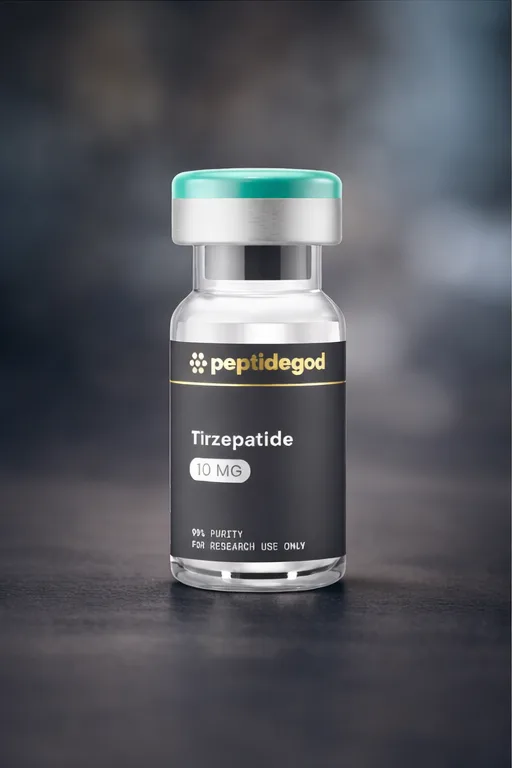
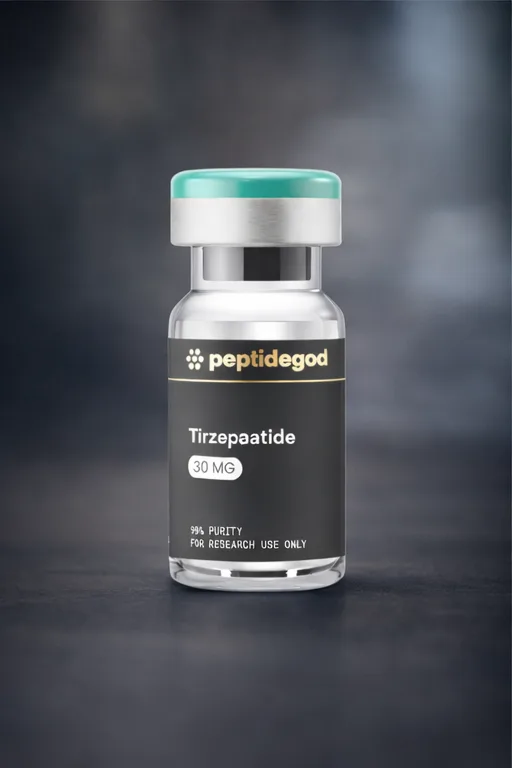
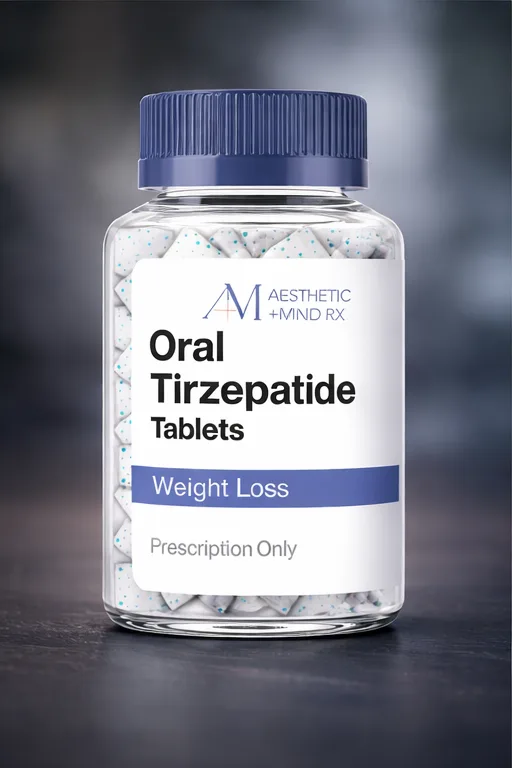
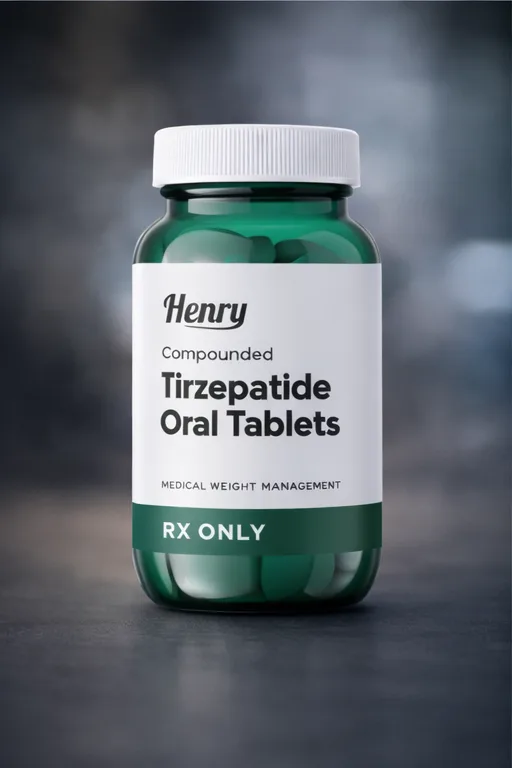
Eli Lilly, the manufacturer of both Mounjaro and Zepbound, has reported meaningful progress in resolving the supply shortages that plagued tirzepatide throughout 2023 and 2024. The FDA's drug shortage database officially removed tirzepatide from its shortage list, a decision that triggered immediate regulatory consequences for compounding pharmacies. Under federal law, compounders may only prepare copies of drugs that appear on the shortage list; with tirzepatide removed, the FDA issued guidance directing state boards of pharmacy to cease compounded tirzepatide production. This transition has created friction for patients who relied on lower-cost compounded formulations, and patient advocacy groups have urged a grace period to allow individuals to transition back to branded products without interruption of therapy.
Cardiovascular Outcomes Data from SURPASS-CVOT
The SURPASS-CVOT trial, Eli Lilly's dedicated cardiovascular outcomes study for tirzepatide in type 2 diabetes, has generated considerable discussion in endocrinology and cardiology circles. The trial enrolled over 13,000 participants with established cardiovascular disease and followed them for a median of approximately four years. Tirzepatide demonstrated a statistically significant reduction in the composite endpoint of major adverse cardiovascular events, including cardiovascular death, nonfatal myocardial infarction, and nonfatal stroke. Importantly, the benefit was observed across subgroups regardless of baseline BMI, suggesting that cardiovascular protection may extend beyond weight loss alone and involve direct effects on GIP and GLP-1 receptor pathways in cardiac and vascular tissue.
Heart Failure with Preserved Ejection Fraction
A separate analysis focused on patients with heart failure with preserved ejection fraction, or HFpEF, showed that tirzepatide reduced hospitalizations for heart failure and improved six-minute walk distance significantly compared to placebo. Given that HFpEF disproportionately affects people with obesity and has very few proven pharmacological treatments, these findings have drawn considerable attention from cardiologists who previously had limited options for this patient population.
Access, Affordability, and Insurance Coverage Updates
Affordability remains a central topic in tirzepatide news, with list prices for Zepbound sitting around $1,060 per month before insurance. Eli Lilly's savings program brings out-of-pocket costs to as low as $25 per month for commercially insured patients who qualify, but Medicare and Medicaid beneficiaries face a more complex landscape. The Inflation Reduction Act's drug negotiation provisions have drawn scrutiny around GLP-1 and GIP/GLP-1 agonists, with policymakers debating whether obesity drugs should qualify for negotiated pricing. Several large employers have added tirzepatide to their formularies with step-therapy requirements, meaning patients must typically demonstrate failure on lifestyle interventions before gaining coverage.
- Zepbound list price: approximately $1,060 per month without insurance
- Eli Lilly savings card available for eligible commercial insurance holders
- Medicare Part D coverage for the obesity indication remains inconsistent across plans
- Prior authorization requirements vary significantly by payer and formulary tier
Emerging Research: MASH, Kidney Disease, and Addiction
Beyond its approved uses in obesity and type 2 diabetes, tirzepatide is under active investigation for metabolic dysfunction-associated steatohepatitis, formerly known as NASH. Early-phase data show reductions in liver fat content and markers of hepatic inflammation, positioning tirzepatide as a candidate in a space where only resmetirom currently holds FDA approval. Separate trials are examining tirzepatide's impact on chronic kidney disease progression in patients with obesity and diabetes, supported by mechanistic data showing GLP-1 receptor activation reduces glomerular hyperfiltration and renal inflammation. Perhaps most unexpected are exploratory studies examining whether tirzepatide may reduce cravings related to alcohol and food addiction, a hypothesis grounded in the drug's observed effects on dopamine signaling and reward circuitry in preclinical models.