Breaking Tirzepatide News: FDA Updates and Clinical Trial Results
FDA Approval Milestones and Regulatory Updates
Tirzepatide has moved through the regulatory landscape at a pace rarely seen for metabolic medications. Originally approved by the FDA in May 2022 under the brand name Mounjaro for type 2 diabetes, the drug received a second landmark approval in November 2023 as Zepbound, specifically indicated for chronic weight management in adults with obesity or overweight with at least one weight-related comorbidity. This dual-approval status reflects the breadth of clinical evidence supporting tirzepatide's efficacy across two major metabolic conditions. The FDA's decisions were grounded in data from the SURPASS program for diabetes and the SURMOUNT program for obesity, both of which demonstrated outcomes exceeding those of existing GLP-1 receptor agonists. Regulatory watchers monitoring tirzepatide news should note that the agency continues to evaluate additional indications, including cardiovascular risk reduction and heart failure.
SURMOUNT Trial Results: Weight Loss Benchmarks
The SURMOUNT clinical trial series remains the most comprehensive dataset on tirzepatide's weight management effects. SURMOUNT-1, published in the New England Journal of Medicine, showed that participants receiving the 15 mg weekly dose achieved a mean body weight reduction of 20.9 percent over 72 weeks, compared to 3.1 percent in the placebo group. SURMOUNT-2, which enrolled adults with type 2 diabetes, demonstrated a mean reduction of 15.7 percent at the highest dose, underscoring the drug's effectiveness even in a population where weight loss is typically harder to achieve. SURMOUNT-3 and SURMOUNT-4 extended the evidence base further, with SURMOUNT-4 specifically examining what happens when tirzepatide is discontinued: participants who switched to placebo regained approximately two-thirds of their lost weight within one year, reinforcing the chronic-disease framing of obesity treatment.
Cardiovascular and Cardiometabolic Evidence
Beyond weight and glycemic outcomes, tirzepatide news has increasingly focused on cardiovascular endpoints. The SURMOUNT-MMO trial is an ongoing outcomes study designed to assess whether tirzepatide reduces major adverse cardiovascular events in adults with obesity who do not have diabetes. This mirrors the approach taken with semaglutide's SELECT trial, which demonstrated a 20 percent reduction in cardiovascular events. Preliminary data from smaller studies and post-hoc analyses of the SURMOUNT program suggest favorable trends in blood pressure, triglycerides, and inflammatory markers. Additionally, the SUMMIT trial investigated tirzepatide in patients with heart failure with preserved ejection fraction and obesity. Results published in late 2024 showed significant improvements in exercise capacity and symptom burden, prompting discussions about an additional FDA indication for this condition.
Ongoing Trials and Pipeline Indications
Eli Lilly's development program for tirzepatide extends well beyond obesity and diabetes. Active investigations include trials in metabolic dysfunction-associated steatohepatitis, obstructive sleep apnea, chronic kidney disease, and polycystic ovary syndrome. The SYNERGY-NASH trial is evaluating tirzepatide's hepatic effects in patients with liver fibrosis, where early biopsy data have shown meaningful reductions in steatosis and inflammation scores. For sleep apnea, a study published in 2024 demonstrated that tirzepatide reduced the apnea-hypopnea index by approximately 55 percent in participants with moderate-to-severe disease, a result substantial enough that the FDA granted the drug an indication for obesity-related obstructive sleep apnea in June 2024. This makes tirzepatide the first pharmacotherapy to receive such an approval, a development that generated significant tirzepatide news coverage across clinical and patient communities.
Supply, Access, and What Patients Should Know
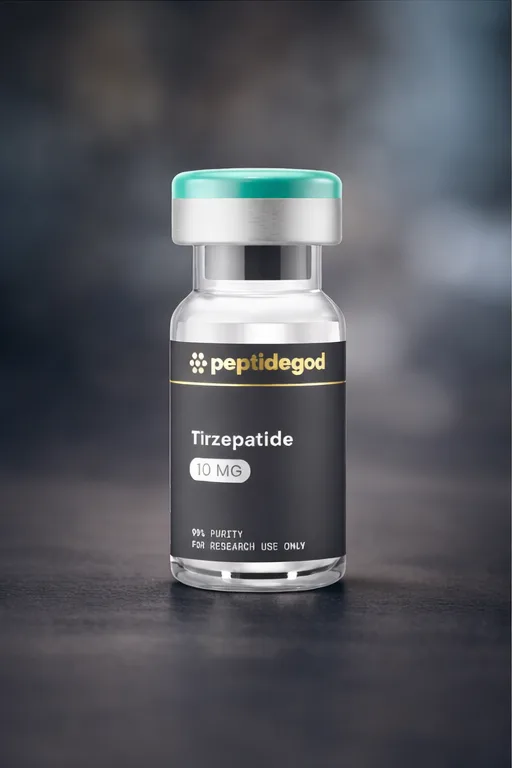
Despite its clinical profile, tirzepatide access has been shaped by manufacturing constraints and insurance coverage variability. The FDA placed both Mounjaro and Zepbound on its drug shortage list in 2023, which created an opening for compounded versions from 503A and 503B pharmacies. As Eli Lilly increased production capacity throughout 2024, the FDA removed tirzepatide from the shortage list in late 2024, subsequently issuing guidance that compounding pharmacies must wind down production of compounded tirzepatide. This regulatory action has been contested in federal court by several compounding organizations, and litigation remains active as of mid-2026.
For patients considering tirzepatide, several practical points bear emphasis:
- Tirzepatide is a prescription-only medication and requires evaluation by a licensed healthcare provider.
- Insurance coverage under commercial plans and Medicare Part D varies widely; prior authorization is common.
- Dose escalation typically begins at 2.5 mg weekly and advances over four to twenty weeks to a maintenance dose of up to 15 mg.
- Common side effects include nausea, vomiting, diarrhea, and constipation, most pronounced during dose escalation.
- Long-term therapy is generally necessary to maintain weight loss, consistent with the chronic-disease model of obesity management.
Staying current with tirzepatide news is relevant not only for patients but for clinicians managing metabolic health. The evidence base is expanding rapidly, with new trial readouts expected across multiple indications through 2027.