Tirzepatide News: Are Cheaper Generics Hitting the Market?
The Short Answer: Not Quite Yet, But the Landscape Is Shifting Fast
Patients and providers following tirzepatide news have been watching a complicated regulatory and legal drama unfold over the past year. Eli Lilly's Mounjaro and Zepbound remain the only FDA-approved branded formulations of tirzepatide, but the path toward lower-cost alternatives has grown more defined in 2025. A combination of FDA compounding decisions, patent litigation timelines, and new pharmacy entrants is reshaping what patients can realistically access and at what price.
Compounded Tirzepatide: What Happened and Where Things Stand
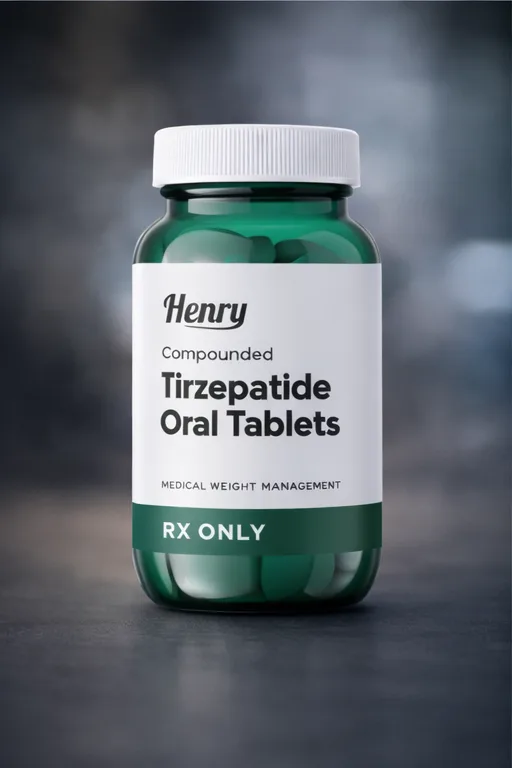
During the period when tirzepatide appeared on the FDA's drug shortage list, compounding pharmacies were permitted to produce copies of the active ingredient for dispensing. That window officially closed in early 2025 after the FDA determined the shortage had resolved. The agency sent notices to 503B outsourcing facilities and 503A compounding pharmacies instructing them to wind down production of compounded tirzepatide.
Several compounding pharmacies pushed back through federal court. A Texas district court temporarily blocked the FDA's enforcement actions in early 2025, creating a brief period of continued legal access to compounded versions. However, appeals courts have since allowed enforcement to resume in most jurisdictions. Patients who were relying on compounded tirzepatide at costs ranging from $200 to $400 per month found themselves facing an abrupt return to branded pricing, which can exceed $1,000 per month without insurance.
When Could True Generic Tirzepatide Arrive?
Generic tirzepatide under the Hatch-Waxman framework requires patent expiration or successful patent challenges. Eli Lilly holds a broad portfolio of patents on tirzepatide's composition of matter, formulation, and methods of use. The core composition patents are not expected to expire until the mid-2030s in the United States, which means an at-risk generic launch remains years away barring a successful inter partes review or litigation settlement.
International markets tell a different story. In some lower-income countries, Eli Lilly has entered voluntary licensing agreements that allow local manufacturers to produce and sell tirzepatide at substantially reduced prices. These licenses do not extend to the United States, Canada, or the European Union, so they offer no direct relief to patients in those regions. Still, this tirzepatide news signals that the company acknowledges affordability as a long-term brand risk and is managing it selectively by geography.
Telehealth Platforms and Membership Programs as Near-Term Alternatives
In the absence of true generics, several telehealth companies have built access models designed to reduce out-of-pocket costs for branded tirzepatide. These typically involve manufacturer savings cards, prior authorization support, or direct partnerships with specialty pharmacies that carry negotiated pricing. Lilly's own LillyDirect platform offers Zepbound at a self-pay price around $550 per month for the lower doses, a notable step below retail cash-pay pricing but still out of reach for many patients.
- Lilly's LillyDirect: self-pay vials starting around $349-$550 per month depending on dose
- Insurance coverage: GLP-1s for obesity remain excluded from many commercial plans, though Medicare Part D now covers them for cardiovascular indications under certain criteria
- State Medicaid programs: coverage varies significantly; some states now include tirzepatide for obesity, others do not
- Employer plans: a growing number of large self-insured employers added coverage in 2024-2025, often with step therapy requirements
What Patients Should Know Right Now
Anyone currently on compounded tirzepatide or considering it should consult their prescribing clinician before making any changes. The legal status of compounded versions fluctuates with ongoing litigation, and product quality from unregulated online sources is not guaranteed. The FDA has issued warnings about tirzepatide products sold without a prescription or sourced from facilities without proper oversight.
For patients priced out of branded options, two practical paths remain: pursuing prior authorization through insurance with documentation of medical necessity, or asking their provider about clinical trials, which sometimes provide medication at no cost in exchange for participation in ongoing research on tirzepatide's metabolic effects.
Looking Ahead
The next major development to watch is whether any generic manufacturers file Paragraph IV certifications challenging Lilly's patents, which would trigger a 30-month stay but put patent validity to a legal test. Analysts tracking tirzepatide news also point to biosimilar-adjacent regulatory questions, since tirzepatide is a small molecule peptide that could theoretically qualify for abbreviated new drug application pathways rather than the more expensive biologics route. A successful patent challenge, even a partial one, could accelerate generic entry by several years. Until then, branded tirzepatide will continue to dominate, and pricing will remain the central barrier for the patients who stand to benefit most.